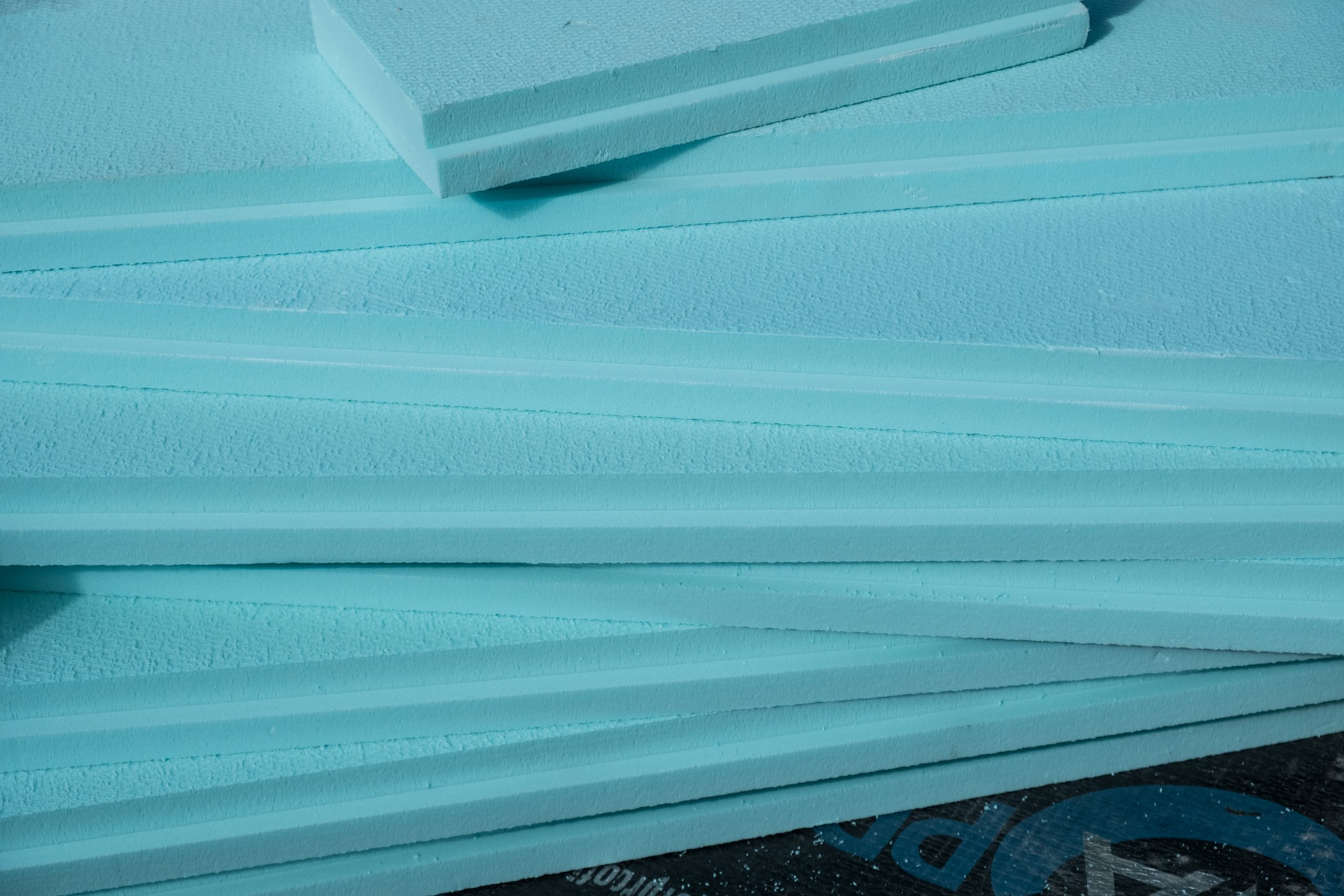
Is EPS Foam Sustainable? Looking at Material Use, Waste and Reuse
Expanded polystyrene, commonly known as EPS, is used for packaging, insulation, displays, models, sculptures, lettering and many other fabricated products. Its light weight and adaptability make it useful across a wide range of industries, but its environmental impact is often questioned.
So, is EPS foam sustainable?
The most accurate answer is that sustainability depends on how EPS is manufactured, specified, used, collected and managed at the end of its life. EPS is a plastic material and is not biodegradable. However, it is also lightweight, can use relatively little raw material for its finished volume, and is technically recyclable when it is kept clean and collected through an appropriate recycling system.
Rather than describing EPS as either completely sustainable or completely unsustainable, businesses should look at the full lifecycle of the material and identify where waste can be prevented, products can be reused and clean offcuts can be recovered.
What Is EPS Foam?
EPS stands for expanded polystyrene. It is produced by expanding small polystyrene beads and moulding them together to create a lightweight cellular material.
The resulting foam can be supplied in blocks and sheets or fabricated into custom forms. It can be cut, sculpted, joined and finished to create:
- Protective packaging
- Insulation products
- Retail displays
- Exhibition features
- Event lettering
- Film and theatre props
- Architectural forms
- Models and prototypes
- Spheres and decorative shapes
- Bespoke promotional products
EPS offers a useful balance of low weight, shape flexibility and impact absorption. These properties can reduce the amount of material required for certain applications and make finished products easier to handle and transport.
However, asking is EPS foam sustainable requires more than looking at its performance during use. Its raw materials, production process, useful lifespan, transport efficiency and end-of-life route must all be considered.
Is EPS Foam Sustainable Compared With Other Materials?
There is no universal answer because environmental performance depends on the product and what it is being compared with.
A lightweight EPS component may require less material and be easier to transport than a heavier alternative. Protective EPS packaging may also prevent a fragile or high-value product from being damaged in transit. Avoiding damage can reduce the environmental cost associated with replacing the product, manufacturing another item and arranging additional delivery.
On the other hand, an EPS product designed for a very short period of use may create avoidable waste if there is no plan for reuse or recycling.
When evaluating the expanded polystyrene environmental impact, businesses should consider:
- How much material the project requires
- Whether the product serves a necessary function
- How long it will remain in use
- Whether it can be reused
- Whether a lighter design could achieve the same result
- How far it must be transported
- Whether it will remain clean enough for recycling
- Whether suitable collection facilities are available
The question should therefore be wider than “is EPS foam sustainable?” A more useful question is: “Is EPS an appropriate and efficiently used material for this particular project?”
The Role of Material Efficiency
EPS has a cellular structure, which allows it to create substantial volume without the same weight as a solid plastic product. This is one of its most important material-efficiency advantages.
For packaging, the foam can be shaped to protect vulnerable areas without filling every available space with solid material. For displays and props, large forms can be produced without the weight associated with materials such as timber, plaster or metal.
Lower weight can make products easier to:
- Carry and install
- Move between locations
- Support within temporary structures
- Pack for transportation
- Deliver using available vehicles
- Reuse across multiple events or displays
Material efficiency still depends on design. A poorly planned shape may create unnecessary offcuts or use more foam than required. Working with an experienced EPS foam fabrication company allows dimensions, density and construction methods to be considered before production begins.
Can EPS Foam Be Recycled?
EPS is technically recyclable. Clean material can be collected, compacted and processed for use in other products.
However, the fact that a material can be recycled does not mean every item will automatically enter a recycling system. The practical recycling rate depends on collection, separation, contamination, local facilities and whether the volume of material makes transportation commercially viable.
According to EUMEPS, EPS can be mechanically recycled when clean material is collected and sorted effectively. The organisation also notes that achieving high recycling rates in practice depends on suitable collection systems and cooperation across the supply chain.
This distinction is important when answering is EPS foam sustainable. Recyclability is a material property, while recycling is an action that requires planning and infrastructure.
Businesses should check whether their local authority accepts EPS. Many household recycling collections do not accept expanded polystyrene, and arrangements for commercial material can vary. A specialist waste contractor or supplier take-back system may be required.
Why EPS Waste Can Be Difficult to Manage
The low weight of EPS is beneficial during transportation and use, but it can make waste collection less efficient. Uncompacted foam occupies a large amount of space in relation to its weight.
This means loose EPS waste can require significant storage and vehicle capacity unless it is compressed or compacted. Contaminated EPS can also be more difficult to recycle, particularly if it has been mixed with food, adhesives, paint, general rubbish or other materials.
Common barriers include:
- A lack of separate collection
- Contamination from other waste
- Limited storage space
- Low volumes spread across multiple sites
- Confusion about local recycling options
- Products made from several permanently bonded materials
- No end-of-life plan for temporary displays or props
These challenges do not make recycling impossible, but they show why waste planning must begin before the product is discarded.
How Fast Shield Manages Production Waste
Fast Shield is committed to using expanded polystyrene efficiently. The company sends 100% of its own polystyrene production waste to recycling depots and collects polystyrene waste from a number of clients.
The waste is compacted into dense bricks, making the material easier to transport and process. It can then be used in the manufacture of products such as garden furniture, picture frames, roof tiles and other plastic items.
This approach helps keep clean fabrication waste out of general disposal routes. It also demonstrates why the answer to is EPS foam sustainable depends partly on how the fabricator manages offcuts created during production.
You can learn more about the company’s experience, environmental approach and specialist fabrication services on the About Fast Shield page.
Design Bespoke EPS Products With Reuse in Mind
Recycling should not be the first and only environmental strategy. Where practical, keeping a product in use for longer can reduce the need to manufacture a replacement.
A bespoke EPS display, sign, prop or model may be suitable for reuse if it is designed, finished, handled and stored appropriately.
Possible reuse strategies include:
- Creating modular components that can be reconfigured
- Using removable branding rather than permanently dated graphics
- Designing letters or shapes for repeated events
- Protecting finished pieces during transport
- Storing products in purpose-made boxes
- Repairing minor surface damage
- Repainting products for a new campaign
- Separating components so individual parts can be replaced
- Avoiding unnecessary adhesives or mixed materials
If a product will travel between venues, its dimensions should account for doors, lifts, loading areas and vehicle capacity. A large shape that cannot be transported safely is less likely to be reused.
Discussing these details with a specialist in bespoke foam shapes can help identify opportunities to extend the useful life of the finished product.
Can Finishes Affect Recyclability?
Paints, adhesives, coatings, fixings and other materials may affect how easily an EPS product can be recycled.
A finish may be essential for appearance, strength or surface protection, but it should be chosen with the complete lifecycle in mind. Before approving a finish, ask:
- Is the coating necessary for the intended use?
- Can the product be recycled with the finish attached?
- Can fixings or other components be removed?
- Will the finish help the item remain reusable for longer?
- Is there a less complex way to achieve the required appearance?
- How should the finished product be handled at the end of its life?
A longer-lasting finish may support reuse, even if it makes eventual recycling more complicated. The best decision depends on the project. This is another reason why is EPS foam sustainable cannot be answered by assessing the raw material alone.
How Businesses Can Reduce EPS Waste
Businesses ordering EPS products can take several practical steps to reduce waste.
Specify the Correct Size
Accurate dimensions reduce unnecessary material and prevent unusable products from being manufactured. Provide final measurements, drawings and reference information before production begins.
Choose an Appropriate Density
Higher density is not automatically better. The material should be suitable for the application without being over-specified. Ask the fabricator which grade is appropriate.
Approve the Design Before Production
Late design changes can create unnecessary offcuts or require components to be remade. Confirm artwork, dimensions, quantities and finishes in writing.
Order Realistic Quantities
Avoid ordering large surplus quantities simply to reduce the unit cost. Consider the number of items that will actually be used and whether spares are genuinely necessary.
Keep Waste Clean and Separate
Clean, separated EPS is more likely to be suitable for recycling. Do not mix offcuts with food, liquids, general rubbish or incompatible materials.
Plan for Reuse
For events, displays and campaigns, decide where products will be stored and how they will be transported after their first use.
Confirm the End-of-Life Route
Ask the supplier or waste contractor what can be accepted, how the material should be prepared and whether minimum quantities apply.
These actions make the discussion around is EPS foam sustainable more practical. They focus on decisions businesses can control rather than relying on broad claims.
What Does Recyclable Polystyrene Actually Mean?
The term recyclable polystyrene means the material can be processed into material suitable for another use under the right conditions. It does not guarantee that every product will be accepted through a household collection or recycled locally.
For a credible recycling plan, a business needs to know:
- Who will collect the material
- Which types and grades are accepted
- Whether coatings or contamination are permitted
- How the EPS should be stored
- Whether it must be compacted
- What quantity is required
- Where the recovered material will be processed
Without these details, describing a product as recyclable may offer little practical value.
Is Reuse Better Than Recycling?
Reuse and recycling are not interchangeable. Reuse keeps the existing product in service, while recycling processes the material so it can become something else.
Where an EPS product remains suitable and safe for its intended purpose, reuse may avoid the energy and logistics associated with collecting and processing waste. This can be particularly useful for exhibition lettering, seasonal decorations, photography props, educational models and modular retail displays.
Recycling becomes important when the product is damaged, obsolete or no longer suitable for reuse. The most responsible approach is to consider both options during the design stage.
So, Is EPS Foam Sustainable?
So, is EPS foam sustainable in practice?
EPS has environmental disadvantages. It is a plastic material, it is not biodegradable, and its low density can make collection inefficient. If it escapes into the environment or is sent to disposal after a single short use, its benefits are difficult to justify.
At the same time, EPS is lightweight, material-efficient for many applications and technically recyclable. It can also be reused when products are designed and handled with a longer lifespan in mind.
The sustainability of a specific EPS product depends on responsible specification, efficient fabrication, useful performance, waste separation, reuse and access to an appropriate recycling route.
Fast Shield combines bespoke fabrication with a commitment to recycling its own polystyrene waste. If you need advice about material selection, efficient design or the production of a custom EPS item, contact Fast Shield to discuss your project.


