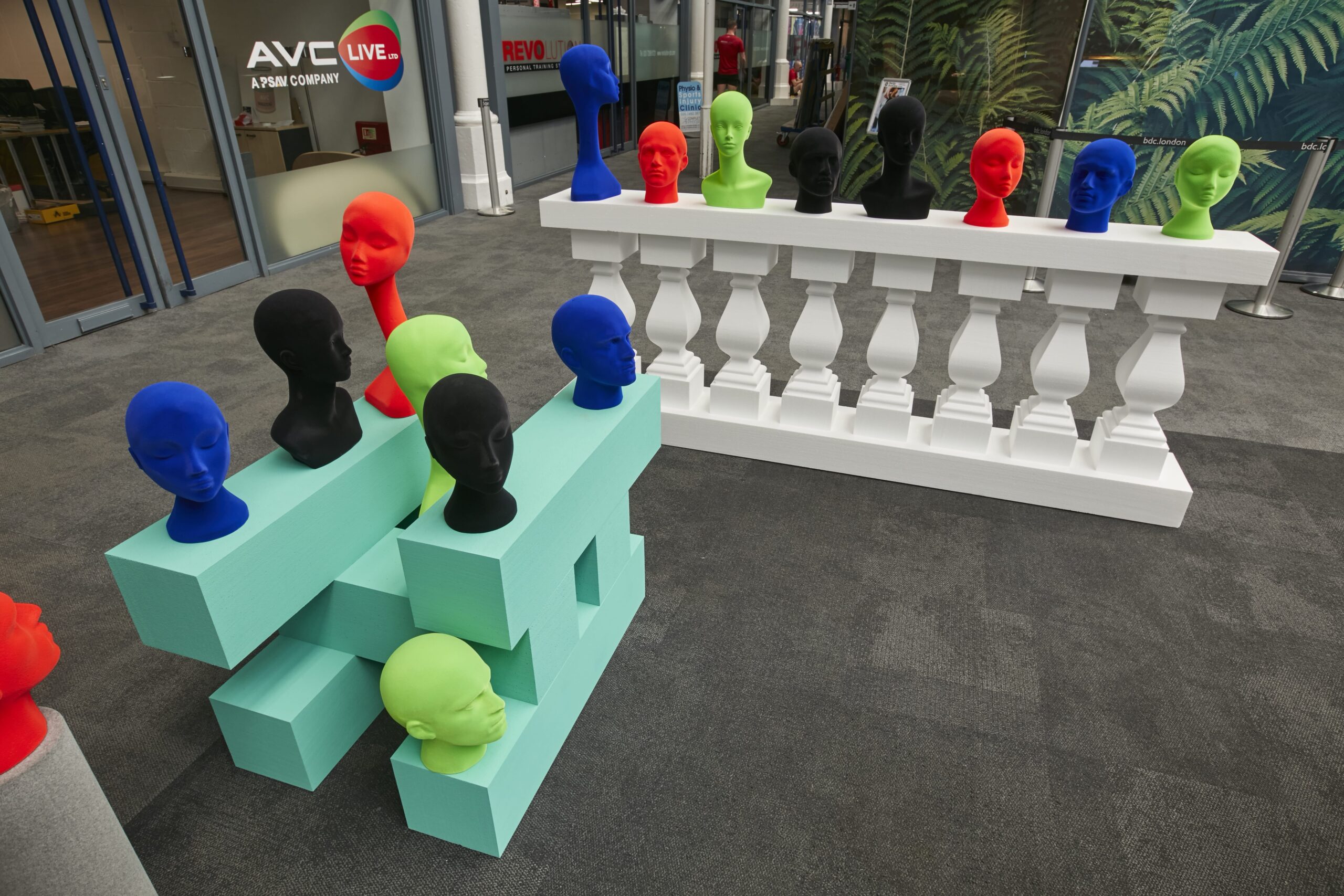
Expanded Polystyrene Blocks and Sheets: Uses, Sizes and Densities
Expanded polystyrene is one of the most versatile materials available for packaging, insulation, displays, model making and bespoke fabrication. It is lightweight, easy to shape and available in different sizes and densities to suit a wide range of commercial and creative applications.
However, selecting the right material requires more than deciding how large the finished piece needs to be. When ordering expanded polystyrene blocks and sheets, it is important to consider density, thickness, strength, cutting requirements, surface finish and how the finished product will be used.
A sheet suitable for a lightweight craft project may not be the right choice for protective packaging or a large display structure. Likewise, a high-density block may provide valuable strength for one application but add unnecessary cost to another.
This guide explains the key differences between EPS blocks and sheets, their common uses and the factors to discuss with a foam fabrication specialist before ordering.
What Is Expanded Polystyrene?
Expanded polystyrene, commonly shortened to EPS, is produced by expanding small polystyrene beads and moulding them together. The result is a rigid but lightweight cellular material that can be manufactured in large blocks and then cut into sheets, profiles or bespoke shapes.
EPS is different from solid polystyrene. Its expanded structure gives it a high volume in relation to its weight, making it useful where size, insulation or impact absorption is required without excessive weight.
Depending on the project, expanded polystyrene blocks and sheets can be cut using hot-wire equipment, saws, CNC machinery or specialist hand-finishing techniques. Pieces can also be joined, sculpted, painted or flocked to create a finished product.
Fast Shield supplies and fabricates expanded polystyrene blocks and sheets for practical, technical and creative projects.
What Is the Difference Between EPS Blocks and Sheets?
EPS blocks and sheets are made from the same underlying material, but they are supplied in different formats.
EPS Foam Blocks
EPS foam blocks are larger sections of expanded polystyrene. They provide the depth needed for substantial three-dimensional shapes, sculptures, props, models and protective forms.
A block may be used in its original rectangular form or treated as the starting material for a more detailed fabricated product. Sections can be removed or shaped until the required profile is achieved.
EPS blocks are commonly used for:
- Large sculptures and props
- Three-dimensional logos
- Exhibition features
- Film and theatre scenery
- Architectural models
- Packaging components
- Void filling
- Construction applications
- Product prototypes
- Bespoke display structures
Blocks are especially useful when a project requires depth or when the finished shape must be cut in more than two dimensions.
Polystyrene Sheets
Polystyrene sheets are thinner, flat sections of EPS. They are generally used where a consistent thickness is required or where the material will be cut into panels, layers, letters or profiles.
Common applications include:
- Protective packaging layers
- Insulation
- Flat signs and lettering
- Display panels
- Model-making components
- Craft projects
- Wall features
- Backing layers
- Separators and spacers
- Laminated foam structures
Sheets can be used individually or layered and bonded to create additional depth. This can be useful when different parts of a design require different thicknesses.
What Sizes Are Available?
There is no single standard size suitable for every project. The available dimensions depend on the manufacturer’s stock, production equipment, material grade and delivery limitations.
When ordering expanded polystyrene blocks and sheets, begin with the required finished dimensions rather than trying to select the raw material yourself. A fabricator can then determine which block or sheet size will produce the item efficiently.
The following details are useful when requesting a quotation:
- Final length, width and depth
- Required quantity
- Whether dimensions are exact or approximate
- Acceptable manufacturing tolerances
- Whether pieces need to fit together
- Whether the foam must fit around another object
- The size of any delivery or installation access points
- Whether the item can be supplied in separate sections
Large shapes may need to be divided for production, transport or installation. In these cases, the fabricator should consider how the sections will join and whether the connection points will remain visible.
Fast Shield can use EPS foam fabrication in London to turn blocks and sheets into shapes made to specific project requirements.
Understanding EPS Foam Density
Density describes the amount of material contained within a given volume of EPS. It affects characteristics such as rigidity, compressive strength, impact resistance, surface texture and weight.
Lower-density EPS is generally lighter and may be suitable for temporary displays, craft projects, decorative shapes and applications where the material will not experience significant pressure.
Higher-density EPS contains more material within the same volume. It can offer greater strength and improved resistance to compression, making it suitable for more demanding applications.
However, higher density is not automatically the best choice. It may increase material costs and weight without providing a useful benefit for a lightweight decorative project.
When selecting expanded polystyrene blocks and sheets, density should be matched to the intended use rather than chosen on the assumption that more density always means a better product.
When Are High Density Polystyrene Blocks Needed?
High density polystyrene blocks may be appropriate when the finished product needs greater rigidity, must support pressure or will be handled repeatedly.
Potential applications include:
- Detailed models requiring firmer edges
- Reusable exhibition components
- Protective packaging for heavier products
- Construction forms
- Load-bearing void-fill applications
- Patterns and prototypes
- Shapes with narrow or delicate sections
- Products requiring a more robust surface
The correct density will depend on the exact design and the forces placed on the material. A product that must resist compression needs a different specification from a sculpture that only needs to retain its shape.
Businesses should avoid relying on a general description such as “high density” without confirming the actual grade and suitability. Ask the supplier to explain why the recommended density is appropriate for the application.
Common Uses for EPS Blocks and Sheets
The versatility of expanded polystyrene blocks and sheets allows the material to support many different sectors.
Packaging and Product Protection
EPS can absorb impacts and hold products securely during storage or transportation. Blocks and sheets may be cut into cradles, corners, spacers, liners or fitted inserts.
The design should account for the product’s size, weight, fragile areas and likely transport conditions. Accurate measurements are particularly important when the packaging must fit closely around an item.
Retail Displays
Polystyrene sheets can be cut into lettering, logos and flat display elements, while blocks can be shaped into larger three-dimensional features.
Because EPS is lightweight, substantial shapes can often be installed without the support structures required for heavier materials. Products may also be painted or flocked to achieve a more distinctive appearance.
Events and Exhibitions
Large letters, branded shapes, spheres and sculpted objects can be created for exhibitions, conferences, product launches and brand activations.
The low weight of EPS can make these pieces easier to transport and position. If an item will be used at several events, the design should include suitable packaging and consider whether the finish can withstand repeated handling.
Film and Theatre
Blocks provide a practical starting point for scenery, props, architectural details and oversized decorative features. They can be cut and sculpted into forms that would be difficult or expensive to produce using heavier materials.
The production team should explain the required viewing distance, surface finish, installation method and expected period of use.
Models and Prototypes
EPS can be used to explore the size, proportions and appearance of a proposed product or structure before committing to another manufacturing material.
A full-size foam model can help teams assess ergonomics, spatial relationships or visual impact. Smaller architectural and presentation models may use precisely cut sheets and profiles.
Construction and Insulation
EPS sheets and blocks are used in various construction and insulation applications. These projects may have specific performance, grade and compliance requirements.
The material must be specified for the intended application. Decorative or packaging-grade EPS should not be assumed to meet a building project’s technical requirements.
Can EPS Sheets and Blocks Be Cut to Size?
Yes. One of the main advantages of expanded polystyrene blocks and sheets is their ability to be cut and fabricated into project-specific dimensions.
Depending on the design, a foam fabricator may use:
- Hot-wire cutting
- CNC cutting
- Saw cutting
- Hand shaping
- Sculpting
- Layering and bonding
- Templates and profile cutting
Straight sheets and simple profiles may require a different process from curved shapes, detailed lettering or three-dimensional sculptures.
When requesting cut-to-size EPS, supply a dimensioned drawing where possible. Clearly identify measurements that are critical and mention whether the shape must fit around or connect with another component.
For unusual designs, Fast Shield’s bespoke foam shapes service can support projects that cannot be created from standard blocks or sheets alone.
What Finishes Can Be Applied?
Raw EPS has a recognisable beaded surface. For some packaging, insulation or hidden components, no additional finish may be necessary.
Creative and customer-facing projects may require:
- Paint
- Flocking
- Decorative coatings
- Applied graphics
- Joined sections
- Surface shaping
- Branded colours
Not every coating or adhesive is suitable for direct use on polystyrene. Some solvent-based products can damage the material. Discuss the required appearance with the fabricator rather than applying an untested coating after delivery.
The intended viewing distance also matters. A finish used for a large stage prop may differ from one intended for a retail display viewed at close range.
Examples of previous shapes and finishes can be viewed in Fast Shield’s fabrication gallery.
How to Choose Between EPS Blocks and Sheets
Choose blocks when the project requires substantial depth, three-dimensional shaping or a large volume of material.
Choose sheets when the project requires a flat panel, consistent thickness, layered construction or shapes cut primarily from a two-dimensional profile.
The decision may also involve a combination of both. A display could use blocks for its main form and sheets for lettering, decorative layers or backing panels.
Before ordering expanded polystyrene blocks and sheets, ask the following questions:
- What are the final dimensions?
- Does the design require substantial depth?
- Will the product carry or resist pressure?
- How often will it be handled?
- Does it need to fit another object?
- Will it be used indoors or outdoors?
- What surface finish is required?
- Does the product need to be transported in sections?
- Is the item intended for one use or repeated use?
- What should happen to it at the end of the project?
An experienced fabricator can use these answers to recommend an appropriate format, density and production method.
Reducing Waste When Ordering EPS
Careful planning can reduce unnecessary material use and prevent products from being remade.
Confirm dimensions, artwork, quantities and finishes before production starts. Where possible, design products for reuse and avoid ordering more items than the project requires.
Clean fabrication offcuts can potentially enter specialist recycling routes. Fast Shield states that it sends 100% of its own polystyrene waste to recycling depots, where it is compacted before being used in the manufacture of other products.
More information about the company’s approach is available on the EPS recycling page.
Order EPS Blocks, Sheets or Bespoke Shapes
The right choice of size and density can improve the performance of a foam product while avoiding unnecessary material and cost.
Fast Shield supplies and fabricates expanded polystyrene blocks and sheets for packaging, displays, models, props, lettering, sculptures and other bespoke applications. The team can advise on material format, density, cutting methods, finishing and delivery based on the needs of your project.
Explore Fast Shield’s full range of foam products or contact Fast Shield with your dimensions, quantity, intended use and required deadline to request a quotation.


