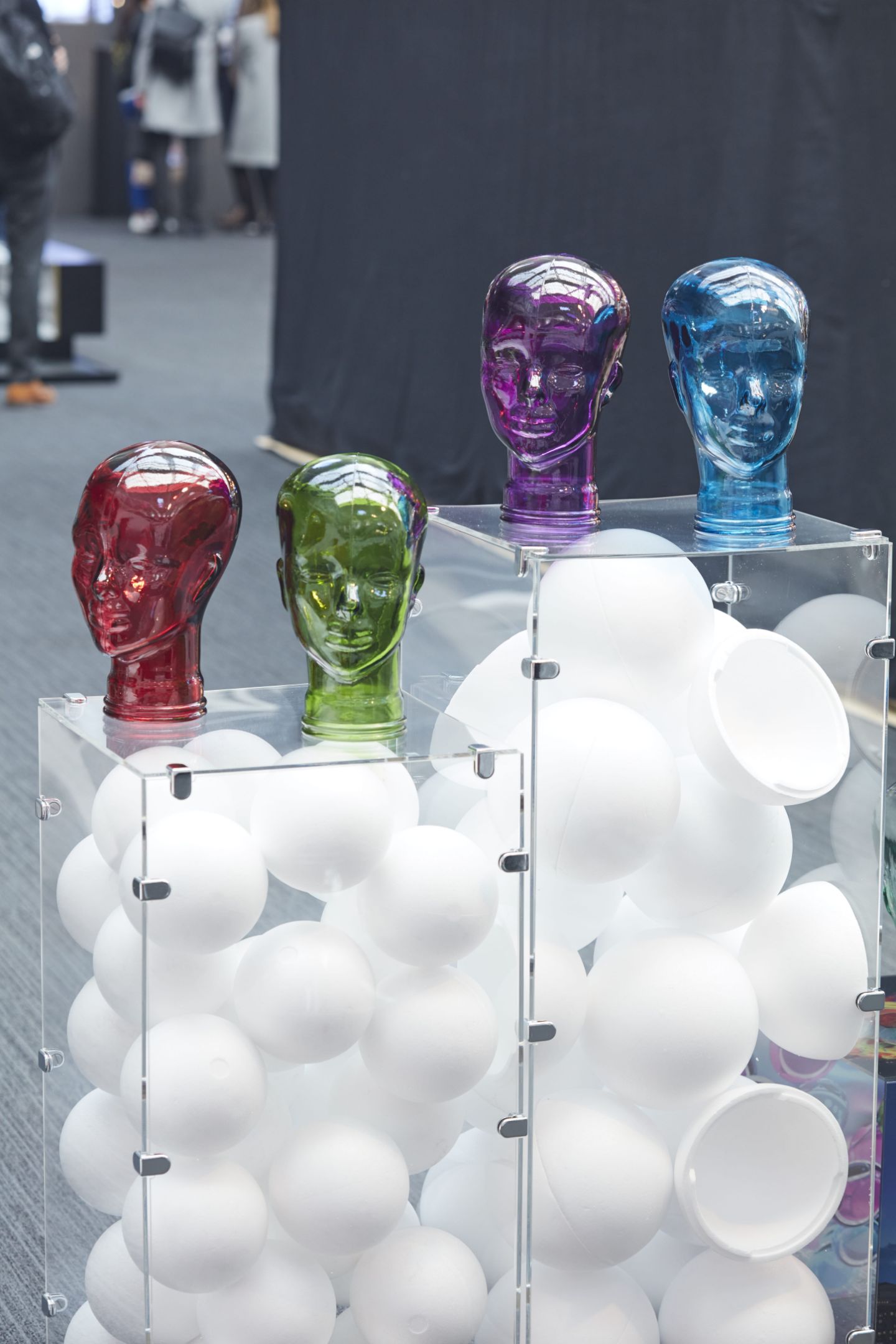
A Size Guide to Polystyrene Spheres for Displays, Crafts and Events
Polystyrene spheres can be used to create everything from small craft details and educational models to large exhibition features, stage decorations and branded installations. Their light weight makes them easy to handle, while their simple shape provides a versatile starting point for painting, covering and creative fabrication.
Choosing the right diameter is essential. A sphere that looks substantial on a desk may appear much smaller within an exhibition hall. A large sphere may create the required visual impact, but access, transport, suspension and storage must also be considered.
This polystyrene sphere size guide explains how different dimensions can suit different applications and what to check before placing an order.
What Are Polystyrene Spheres?
Polystyrene spheres are rounded shapes produced from expanded polystyrene, commonly known as EPS. They may be supplied as complete spheres, half-spheres or specially fabricated forms, depending on the project.
EPS is suitable for sphere production because it is lightweight and can be created in a wide range of dimensions. Its surface can also be painted, flocked, decorated or incorporated into a larger display.
Common applications include:
- School and educational models
- Arts and crafts
- Floral displays
- Christmas decorations
- Window displays
- Exhibition installations
- Stage scenery
- Theatre and film props
- Planet and solar system models
- Branded events
- Product replicas
- Hanging decorations
- Sculptures and art installations
Fast Shield produces polystyrene spheres and bespoke shapes for creative, educational and commercial requirements.
How Are Polystyrene Spheres Measured?
Polystyrene spheres are normally measured by diameter. The diameter is the straight-line distance from one side of the sphere to the other through its centre.
For example, a 100mm sphere measures approximately 100mm across its widest point. This is different from its circumference, which is the distance around the outside.
When using this polystyrene sphere size guide, always check whether a measurement refers to:
- Diameter
- Radius
- Circumference
- Overall height
- The dimensions of a half-sphere
- A finished size after coating or decoration
Confusing diameter and radius can result in a sphere that is twice or half the expected size. Include a labelled drawing or reference measurement when requesting a bespoke product.
Polystyrene Sphere Sizes at a Glance
The table below provides general guidance for selecting a sphere diameter. These size bands are indicative rather than a confirmation of stock or manufacturing availability.
| Approximate Diameter | Relative Scale | Potential Uses |
|---|---|---|
| 6mm to 20mm | Very small | Craft details, model components, decorative textures and miniature displays |
| 25mm to 50mm | Small | Craft projects, floral displays, ornaments and small educational models |
| 60mm to 100mm | Hand-sized | Decorations, model planets, table displays and product presentation |
| 150mm to 200mm | Medium | Hanging displays, window dressing, props and feature decorations |
| 300mm to 400mm | Large | Retail displays, exhibition features, stage props and branded installations |
| 500mm to 600mm | Extra large | High-impact events, oversized decorations, scenery and large visual displays |
| Above 600mm | Bespoke scale | Custom installations, large props, sculptures and architectural displays |
The most suitable size depends on how the sphere will be viewed and used. A project may also combine several diameters to create depth, movement or a sense of scale.
Contact Fast Shield to confirm which standard and bespoke dimensions are available for your required quantity and deadline.
Small Foam Spheres for Crafts and Models
Small foam spheres are often used for detailed craft work, model making and decorative applications.
Diameters from approximately 6mm to 50mm may suit:
- Miniature models
- Jewellery and decoration
- Floral arrangements
- Model-making details
- Craft kits
- Textured artwork
- Small ornaments
- Educational demonstrations
Small spheres can be easier to cover, paint or attach to other materials, but their size makes accuracy important. If the spheres need to fit within another component or form part of a repeated pattern, confirm the required diameter and acceptable tolerance.
When following a polystyrene sphere size guide for craft applications, consider the tools and finishing materials that will be used. Some solvent-based paints and adhesives can damage polystyrene, so compatibility should be checked before production begins.
Medium Polystyrene Spheres for Displays
Medium spheres offer a balance between visibility and easy handling. Sizes around 60mm to 200mm may be suitable for table displays, model planets, hanging decorations and retail features.
Potential applications include:
- Solar system models
- Product display elements
- Seasonal decorations
- Hanging installations
- Window displays
- Floral structures
- Photography props
- Educational exhibits
- Decorative centrepieces
A medium sphere may appear prominent in a small display but become less noticeable within a large venue. Consider the viewing distance and surrounding objects before selecting a diameter.
If the sphere needs to be suspended, explain how it will be displayed. The fabricator can advise whether a complete sphere, half-sphere or specially prepared attachment point may be appropriate.
Large Foam Spheres for Events and Exhibitions
Large foam spheres can create strong visual impact without the weight of a solid structure. They are commonly used for exhibitions, retail campaigns, event scenery, film sets and oversized decorative installations.
Diameters from approximately 300mm to 600mm may work well for:
- Exhibition stand features
- Brand activations
- Hanging event decorations
- Product-launch displays
- Stage scenery
- Retail installations
- Large planet models
- Photography backdrops
- Abstract sculptures
- Oversized festive decorations
When using this polystyrene sphere size guide for an event project, check more than the size of the display space. You should also consider:
- Door and lift dimensions
- Loading access
- Vehicle capacity
- Ceiling height
- Suspension points
- Installation time
- Fire and venue requirements
- Storage after the event
A large sphere may need to be manufactured or supplied in sections if access is restricted. Discuss this before production so the joining method can be included in the design.
Bespoke Foam Spheres for Unusual Projects
Standard dimensions are not suitable for every brief. Bespoke foam spheres may be required when the shape must match an existing object, fit within a structure or create a precise visual proportion.
A custom sphere may also include:
- A flat base
- A hollow centre
- A cut section
- A central opening
- A channel or recess
- A sliced or segmented form
- A specific surface finish
- Additional sculpted details
- Branding or applied lettering
Fast Shield provides EPS foam fabrication in London for projects that require custom dimensions or adaptations.
Provide accurate measurements and explain how the sphere will be used. A reference image is helpful, but it should be supported by a drawing showing the required diameter and any cuts, openings or flat surfaces.
Complete Spheres or Half-Spheres?
A complete sphere provides a three-dimensional form that can be viewed from every direction. It may be suitable for suspended displays, floor installations, sculptures and models.
A half-sphere has one rounded side and one flat face. This makes it useful for:
- Wall-mounted displays
- Domed decorations
- Product replicas
- Model-making
- Display panels
- Architectural details
- Shapes attached to a backing surface
A half-sphere can provide the visual impression of a complete rounded form while using less depth. It may also be easier to mount against a flat panel or wall.
The right option depends on the viewing angle. If visitors will see the installation from every side, a full sphere may be necessary. If the shape will sit against a wall or backdrop, a half-sphere may achieve the required result more efficiently.
Choosing a Sphere Size for the Viewing Distance
A sphere’s visual impact changes according to the distance between the display and the viewer.
Close-Range Displays
Smaller spheres can be effective when visitors will stand close to the display. This includes craft projects, table decorations, product presentations and educational models.
Surface texture and finishing quality may be more noticeable at close range, so discuss the required appearance with the fabricator.
Medium-Range Displays
Medium spheres can work well in shop windows, reception areas and smaller event spaces. The sphere should remain clearly visible without overwhelming the surrounding display.
Long-Range Displays
Large or extra-large spheres may be needed in exhibition halls, theatres, shopping centres and outdoor event spaces. Small shapes can disappear visually when surrounded by large structures, lighting rigs and crowds.
A useful approach is to mark the proposed diameter within the display design or create a simple full-scale cardboard reference before ordering.
Understanding viewing distance is one of the most important parts of any polystyrene sphere size guide.
How Quantity Affects the Choice of Size
One large sphere creates a different effect from a group of smaller spheres.
A single oversized shape can provide a strong focal point. Multiple sizes can create a more dynamic installation, particularly when suspended at different heights or arranged across a wide display.
Before ordering, decide whether the project needs:
- One central feature
- A matching set
- A mixture of sizes
- A repeated pattern
- A gradual size progression
- Several identical spheres for different locations
For installations using many spheres, prepare a quantity schedule showing each required diameter. This reduces confusion and gives the fabricator a clearer basis for pricing and production.
Surface Finishes and Decoration
Raw expanded polystyrene has a visible beaded texture. This may be suitable for craft projects, hidden components or displays where the surface will be covered.
Other projects may require painting, flocking, coating or additional decoration.
Potential finishing choices include:
- Single-colour paint
- Multiple branded colours
- Flocking
- Glitter or decorative covering
- Applied graphics
- Fabric covering
- Sculpted surface details
- Contrasting sections
Always check that paints, adhesives and coatings are compatible with EPS. Some solvent-based products can damage the material.
The finish can also affect the final dimensions. If a sphere must fit precisely inside another structure, tell the fabricator whether the specified measurement refers to the raw EPS or the completed, finished product.
Hanging and Supporting Polystyrene Spheres
EPS is lightweight, but every suspended or elevated installation requires suitable planning.
The correct support method depends on:
- Sphere diameter
- Material density
- Surface finish
- Installation height
- Length of display
- Indoor or outdoor conditions
- Venue requirements
- Proximity to visitors
- Whether the sphere will move or rotate
The fabricator should understand how the item will be displayed, but installation and load-bearing decisions may also need approval from the venue, exhibition contractor or a suitably qualified professional.
Do not assume that an attachment suitable for a small craft sphere will be appropriate for a large event installation.
Transporting and Storing Large Spheres
Large spheres are lightweight but occupy considerable space. Their diameter may determine which vehicle, doorway, lift or storage area can accommodate them.
When selecting a size, check:
- The vehicle’s internal dimensions
- The width and height of venue access points
- The size of goods lifts
- Available storage before installation
- How the surface will be protected
- Whether the sphere can be supplied in sections
- Whether the product will be reused
Fast Shield operates its own transport across the UK, allowing delivery requirements to be considered alongside the fabrication process.
Retain protective packaging if the spheres will be used again. Avoid stacking heavy objects against them, as this may damage the surface or alter the shape.
Can Polystyrene Spheres Be Recycled?
Clean EPS is technically recyclable when it is collected through an appropriate specialist route. Practical recycling options depend on location, contamination, applied finishes and available collection facilities.
Fast Shield sends 100% of its own polystyrene production waste to recycling depots. More information is available on the company’s EPS recycling page.
For temporary events, discuss reuse and end-of-life arrangements before ordering. Generic shapes and brand-neutral colours may allow spheres to be used across several displays, while removable decorations can extend their useful life.
How to Order the Right Polystyrene Spheres
Before requesting a quotation, prepare the following information:
- Required diameter or range of diameters
- Quantity of each size
- Complete spheres or half-spheres
- Standard or bespoke dimensions
- Required density
- Surface finish and colour
- Indoor or outdoor use
- Hanging, mounted or freestanding placement
- Delivery postcode
- Venue access restrictions
- Required delivery date
- Whether the spheres will be reused
A clear brief helps the fabricator recommend an efficient production and delivery approach.
Find the Right Sphere Size for Your Project
The right sphere should suit the display space, viewing distance, installation method and transport requirements.
Small spheres work well for crafts and detailed models. Medium sizes can support retail, educational and decorative displays. Large spheres can create visual impact across exhibitions, events and stage environments. Bespoke fabrication provides further flexibility when a project needs an unusual diameter, cut section or adapted form.
Use this polystyrene sphere size guide as a starting point, then confirm the final specification with an experienced fabricator.
Explore Fast Shield’s wider range of foam products and previous fabrication projects. To discuss standard or bespoke sphere sizes, contact Fast Shield with your dimensions, quantity and deadline.


